
Preserving the Practice of Herbal Healing
In an era marked by technological advancements and modern medical breakthroughs, it is crucial not to overlook the rich heritage of herbal healing practices that have been passed down through generations. Herbal medicine, also known as botanical medicine or phytomedicine, has a profound history of providing therapeutic benefits and promoting overall well-being. Preserving and embracing these ancient practices can offer a complementary approach to modern medicine, fostering a harmonious balance between nature and science. This article explores the significance of preserving the practice of herbal healing as a valuable and effective form of medicine.
Since time immemorial, traditional cultures worldwide have relied on the healing properties of plants. Herbal medicine utilizes the vast array of medicinal plants, herbs, roots, and other natural substances to prevent and treat various ailments. Unlike synthetic drugs, which often isolate specific compounds, herbal remedies incorporate a holistic approach that considers the synergistic effects of multiple components within a plant. Herbal healing provides a treasure trove of remedies for numerous conditions, including digestive disorders, respiratory ailments, skin issues, anxiety, and immune system support. From ginger to turmeric, ginseng to echinacea, chamomile to lavender, each herb brings its unique properties and benefits. Herbal medicine aims to address the underlying causes of illness while promoting the body's inherent ability to heal itself.

One of the most compelling reasons to preserve the practice of herbal healing is the wealth of traditional knowledge that is passed down from generation to generation. Indigenous communities, local healers, and herbalists have honed their expertise through centuries of observation, experimentation, and wisdom. By safeguarding and respecting this ancestral wisdom, we can not only maintain the practice of herbal healing but also gain access to a vast repertoire of natural remedies. It is essential to document and support the traditional healers and their knowledge, as they hold the keys to unlocking the potential of countless herbs and plants.
The integration of herbal healing practices with modern medicine can lead to a powerful synergy that benefits patients and healthcare systems alike. Herbal medicine can play a vital role as a complementary therapy, particularly in addressing chronic conditions, reducing the side effects of medications, and supporting overall well-being. Furthermore, scientific research has increasingly focused on exploring the therapeutic potential of medicinal plants. By conducting rigorous studies and applying modern scientific methods, researchers can identify and validate the efficacy of herbal remedies. This evidence-based approach helps bridge the gap between traditional knowledge and contemporary medical standards, ensuring the continued relevance and acceptance of herbal healing.
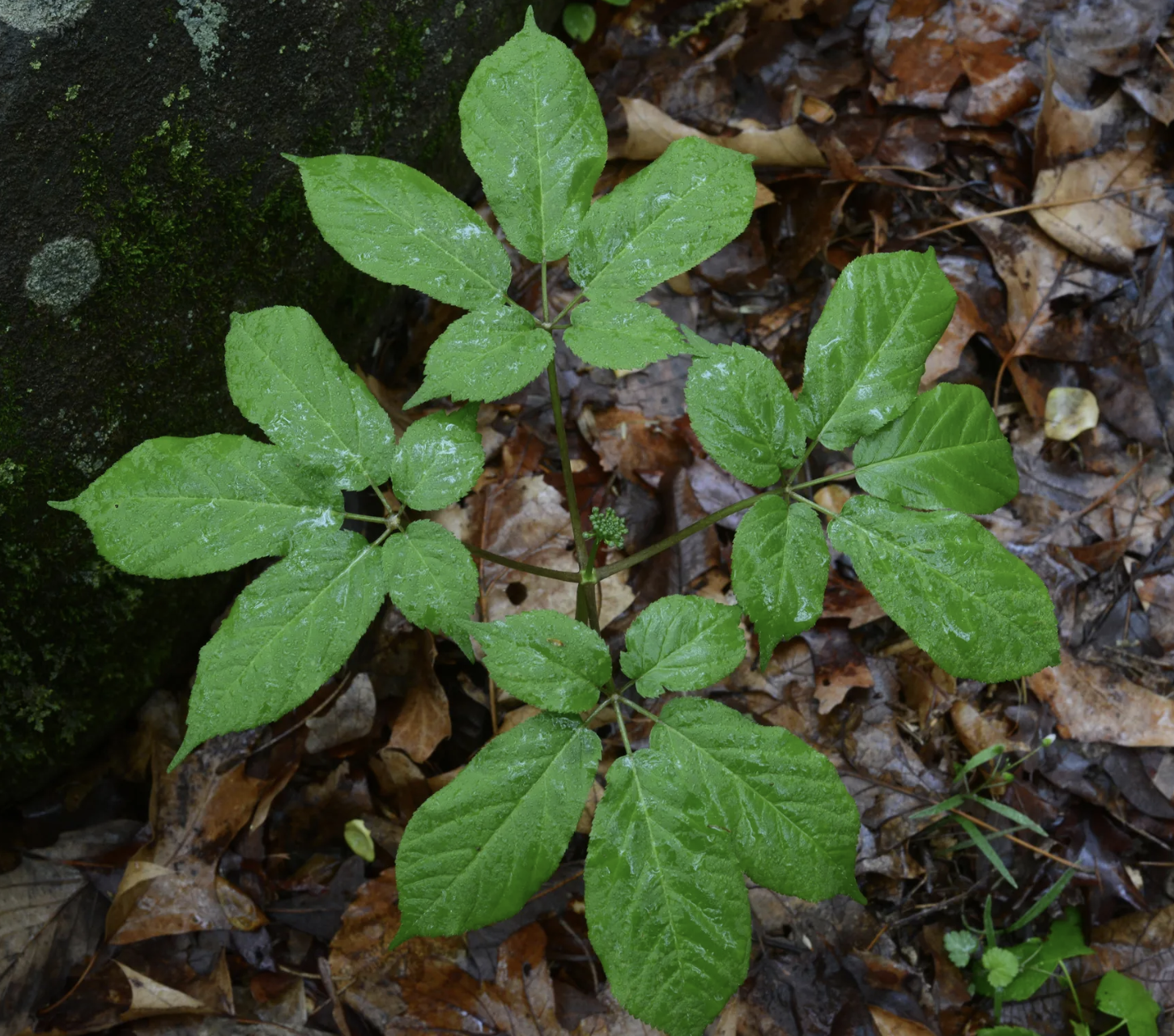
Preserving the practice of herbal healing also promotes sustainability and environmental stewardship. By relying on natural resources rather than synthetic pharmaceuticals, we reduce our carbon footprint and contribute to a more ecologically balanced world. Cultivating medicinal plants and herbs, particularly through organic farming methods, can help protect biodiversity and safeguard endangered species. Additionally, the practice of herbal healing encourages a deeper connection with nature. It instills a sense of responsibility and reverence for the environment, fostering a holistic approach to healthcare that acknowledges the interdependence of all living beings.

In an era where synthetic medications dominate the healthcare landscape, it is crucial to preserve the practice of herbal healing as a valuable form of medicine. Harnessing the power of nature, preserving traditional knowledge, complementing modern medicine, and promoting sustainability are all essential elements of this endeavor. As we move forward, it is vital to continue supporting and respecting traditional healers, conducting rigorous scientific research, and integrating the best of both worlds—nature and science. By embracing herbal healing, we can tap into the vast potential of medicinal plants, honor our ancestral wisdom, and provide patients with a comprehensive, holistic approach to healthcare that is deeply rooted in nature's timeless wisdom.